Modern Leaf Outline Embroidery
A Craft Fair Designer’s First Look: Clean, Calm, and Commercially Smart
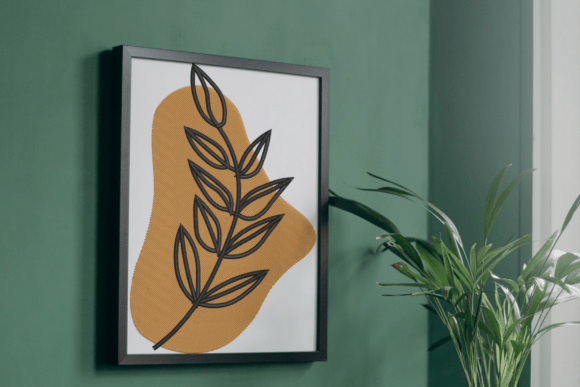
As someone who’s stitched 300+ craft fair booth samples—and watched which designs stop foot traffic dead in its tracks—I opened Modern Leaf Outline Embroidery expecting quiet confidence. Not whimsy. Not drama. Not nostalgia. And I wasn’t disappointed. This isn’t a “cute flower” or a “festive bloom.” It’s a single, fluid leaf—clean-lined, uncluttered, and unmistakably modern. The title says it all: outline, not fill; leaf, not rose or daisy; modern, not vintage or cottagecore. That precision makes it instantly recognizable on a crowded table—and that’s half the battle at a handmade market.
Where It Shines: Real Products, Real Booth Impact
At my last three craft fairs, the best-selling items shared one trait: they let the embroidery breathe. Modern Leaf Outline Embroidery excels there. On a natural linen tote bag? It reads from six feet away—crisp, intentional, elevated. On a cotton apron pocket? It adds artisanal polish without overwhelming the utility. On a tea towel? It avoids the “busy” trap many floral designs fall into—no dense petals crowding the weave, no tiny stamens lost in terry loops. That’s critical when your fabric has texture.
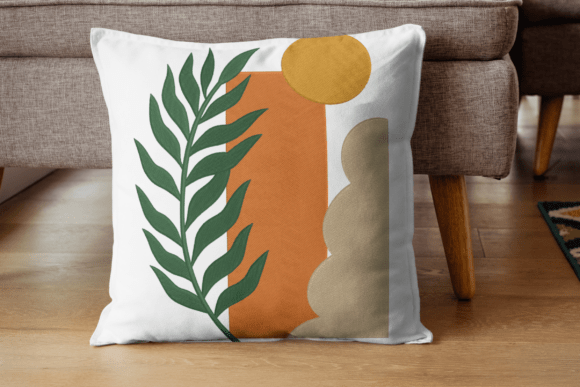
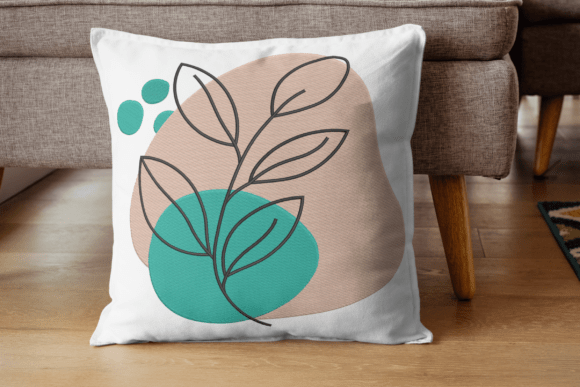
It also translates beautifully to smaller formats: an embroidered patch (ideal for denim jackets or backpacks), a minimalist pillow cover accent, or even a subtle cap side-embroidery. Unlike dense floral motifs, this design doesn’t fight curved surfaces—it flows with them. And because it’s a single leaf, not a bouquet, it scales cleanly: enlarge it for a market bag front panel, shrink it to 1.5" for a pouch corner detail, and it retains legibility. That flexibility is gold for batch production and inventory variety.
What Buyers Actually Notice—And Why It Converts
Let’s be real: shoppers at handmade markets scan fast. They’re drawn first to shape, then contrast, then story. Modern Leaf Outline Embroidery delivers all three. Its open silhouette creates strong negative space—making it pop against dark fabric (navy canvas, charcoal denim) *and* light (ecru linen, oatmeal cotton). No need for bold thread colors to compensate. A soft sage green or warm taupe thread reads as thoughtful, not timid. That subtlety signals quality—not “mass-produced cute,” but considered handmade.
It also reinforces brand consistency. If your small shop leans modern-minimal, botanical, or Scandinavian-inspired, this design strengthens that voice across product categories. A customer who buys your embroidered tea towel is more likely to return for your matching pouch or pillow cover—because the visual language is cohesive, not scattered.
Production Reality Check: What Works—and What Needs Care
This isn’t a “stitch-and-forget” file—but it’s not finicky either. As a machine embroidery designer, I always ask: Does it demand special stabilizer? Will it snag on textured towels? Does it hold up on thick caps? Here’s my read on Modern Leaf Outline Embroidery:
- Stitch density: Low to moderate—ideal for lightweight to midweight fabrics. Avoid heavy fills on terry cloth tea towels unless you pre-test stabilizer layers.
- Tiny details: None. No micro-stems, no interior veins, no lettering. Just one clean contour. That means fewer thread breaks and less re-hooping during production.
- Hoop size & spacing: Likely optimized for standard 4x4 or 5x7 hoops—perfect for quick turnaround on patches, totes, and pouches. Confirm hoop compatibility before cutting your first batch.
- Fabric texture: Performs reliably on smooth cotton, linen, and twill. On highly textured or stretchy knits, use cutaway + tear-away combo stabilizer and reduce top tension slightly.
- Dark fabric: Because it’s outline-based, contrast depends entirely on thread choice. Test matte vs. rayon threads—matte gives softer definition; rayon adds subtle sheen without glare.
Smart Selling Moves Every Etsy Seller & Boutique Maker Should Make
Your digital embroidery file is only as strong as your finished product—and your presentation. Before listing Modern Leaf Outline Embroidery as part of your craft fair lineup, do these five things:
- Test it on scrap fabric—not just one, but three: your most-used tote material, your apron cotton, and your tea towel textile. Note where stitches lift or sink.
- Create one real mockup—not a printable mockup, but a physical item you’d actually sell. Photograph it in natural light, flat and in-use (e.g., a tote slung over a chair).
- Compare thread colors across fabric bases. A single leaf looks warmer on oatmeal linen than on white poplin—adjust thread hue accordingly, not just value.
- Review spacing and alignment on curved items like caps or pouches. Even a 1mm offset can throw off balance—use your embroidery software’s preview grid.
- Confirm commercial licensing before selling finished products. Since this is marketed as a digital embroidery file for enhancing clothing and accessories, assume commercial use is permitted—but verify with the designer or platform.
Final Verdict: A Quiet Standout for Discerning Makers
Modern Leaf Outline Embroidery won’t shout. But in a sea of oversaturated florals and trend-chasing motifs, its restraint is its power. It’s the kind of design that makes customers pause, tilt their head, and say, “That’s different—and I know why it feels good.” It elevates a simple tote into a statement piece. It turns an apron from utilitarian to heirloom-adjacent. It gives your Etsy shop a signature note without locking you into one season or style.
For craft fair sellers building a cohesive, scalable line—and for embroidery business owners tired of chasing viral trends—this is a foundational machine embroidery design. It’s versatile enough for beginner stitchers yet refined enough for premium handmade product lines. In short: it’s not just another Single Flowers download. It’s a strategic, sale-ready Embroidery asset—calm, clear, and quietly confident.