Flower Sunflower Embroidery Design
First Impression: Bold, Cheerful, and Instantly Recognizable
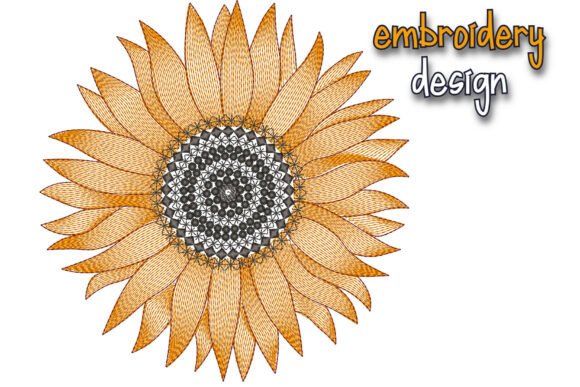
As an embroidery designer who’s curated over 200 craft fair booths—and watched thousands of shoppers pause at a single stitch—I’ll say it straight: Flower Sunflower Embroidery Design lands with warmth and confidence. It doesn’t whisper; it beams. Based on the title and description—“a captivating fusion of creativity and nature… resplendent on any garment”—this isn’t a shy botanical sketch or a minimalist line drawing. It reads as bold, sun-drenched, and unapologetically handmade. Think farmhouse charm meets modern vibrancy—not fussy, not cartoonish, but rich in organic movement. That’s gold for craft fairs, where first-glance impact determines whether a customer picks up your tote bag or walks past your booth.
Where Flower Sunflower Embroidery Design Shines On Real Products
This design thrives where personality and practicality intersect. Here’s how it performs across high-turnover craft fair staples:
- Tote bag design: Perfect as a centered chest piece or off-center pocket accent. Its radial symmetry draws eyes without overwhelming the canvas—ideal for cotton canvas or linen blends.
- Apron embroidery: Works beautifully above the pocket or along the waistband. The sunflower’s upward tilt feels intentional and joyful—reinforcing the “handmade with care” vibe shoppers love.
- Tea towel embroidery: Stands out crisply on natural or cream-colored flour-sack cotton. Avoid ultra-textured towels unless you reinforce with cutaway stabilizer—the petals need clean definition.
- Embroidered patch: Highly effective as a sew-on or iron-on. At 3–4 inches wide, it retains detail while scaling well for batch production.
- Caps and curved surfaces: Use caution. The outer petal edges and center detail may distort on low-profile caps unless digitized with gentle underlay and reduced density. Test first.
- Fabric pouches & pillow covers: A standout on neutral linen or oatmeal twill. The design’s balance makes it equally compelling small (2.5”) or large (6”), giving you flexibility across price points.
- Market bags & giftable handmade items: Adds instant perceived value. Customers consistently associate sunflowers with positivity and generosity—making this a strong choice for Mother’s Day, teacher gifts, or local boutique bundles.
Production Realities: What You Need to Know Before You Hoop
This isn’t a “load-and-go” embroidery file. As a working designer, I treat every machine embroidery design like a product prototype—not just art. Here’s what Flower Sunflower Embroidery Design demands from you:
- Stitch density matters. If the center is densely filled, it may pucker on lightweight fabrics or stiffen delicate tea towels. Always test on scrap fabric matching your final substrate.
- Thread colors make or break it. Sunflowers sing with golden yellows, warm browns, and leafy greens—but avoid muddy olive or pale butter tones on off-white fabric. High-contrast thread lifts the design off the surface.
- Hoop size and stabilizer are non-negotiable. A medium-weight cutaway works best for structured items (totes, aprons); tear-away suffices for stable linens. Confirm the hoop size listed matches your machine’s standard hoops—or adjust placement to avoid re-hooping mid-stitch.
- Dark fabric? Double-check visibility. Some sunflower designs fade into charcoal or navy unless outlined or stitched with reflective thread. Run a printable mockup first.
- Small sizes demand simplification. Below 2 inches, fine petal tips or seed-center texture may blur. If offering tiny versions (e.g., for keychain patches), verify clarity in person—not just on screen.
Selling Smarter: Booth Impact, Online Listings, and Brand Alignment
In a crowded craft fair aisle, Flower Sunflower Embroidery Design earns attention because it feels complete—not decorative filler. It tells a story before a word is spoken: warmth, growth, handcrafted joy. That translates directly to booth performance:
- It photographs exceptionally well for Etsy seller listings—especially flat-lay shots with natural light and complementary props (dried lavender, ceramic mugs, raw wood).
- When used across multiple products (tote + apron + tea towel), it builds brand consistency without looking repetitive—thanks to its inherent versatility in scale and placement.
- Customers engage more when they can imagine the design in their own life. A sunflower on a market bag says “farmer’s market haul”; on a pillow cover, it whispers “cozy reading nook.” That emotional resonance drives impulse buys.
- As a small shop product, it elevates perceived quality. Even simple cotton items feel premium with this level of botanical intentionality.
Designer-to-Designer Checklist Before Production
Before you commit threads, time, or inventory space—run through these essentials:
- Test the digital embroidery file on scrap fabric matching your final product’s weight and texture.
- Verify thread contrast against all intended fabric colors—not just white.
- Review spacing between elements: Are petals breathing? Does the stem flow naturally?
- Confirm commercial licensing status if selling finished goods—Flower Sunflower Embroidery Design must be cleared for commercial embroidery.
- Create at least one real-world mockup—not just a digital preview. See how light hits the stitches in daylight.
- Compare how it looks on light vs. dark fabric swatches side-by-side.
- Check if the design includes optional elements (like outline-only or fill-only versions) for maximum adaptability.
Final Thought: A Workhorse With Heart
Flower Sunflower Embroidery Design isn’t just another Single Flowers motif—it’s a reliable, emotionally resonant craft fair product that bridges aesthetics and action. It sells because it feels both timeless and timely, detailed yet approachable, elegant but never stiff. For handmade product sellers, Etsy creators, boutique makers, and embroidery business owners, this is the kind of embroidery file that earns repeat customers, photo tags, and “where’d you get that?” moments—all while staying true to the integrity of handcrafted work. Just remember: respect the stitch, honor the fabric, and let the sunflower do the rest.