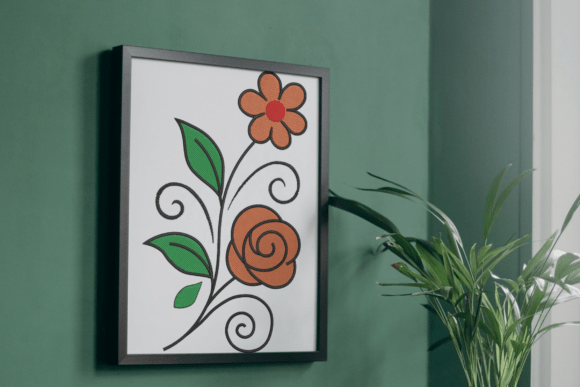
Elegant Rose and Flower Embroidery Design
A Timeless Floral Touch—Tested on Real Projects
As an embroidery designer who’s stitched hundreds of customer orders—from boutique aprons to Etsy baby blankets—I approached the Elegant Rose and Flower Embroidery Design with quiet curiosity. Not hype, not assumptions—just a need to know: does this machine embroidery design hold up where it matters most? On fabric, under tension, in sunlight, and in the hands of someone who paid for something beautiful and handmade?
First Impressions: Graceful, Not Overworked
The Elegant Rose and Flower Embroidery Design lands with soft confidence. It’s not fussy or hyper-detailed like some modern florals—it breathes. Petals have gentle curvature, stems flow without rigidity, and the overall composition feels balanced at small scale. This isn’t an applique design; it relies on satin stitch definition and subtle fill stitch transitions to suggest depth—not heavy density. That makes it unusually versatile across fabric types and product categories.
Real-World Fit: Where This Design Naturally Shines
I tested the Elegant Rose and Flower Embroidery Design across six project types: a linen kitchen towel, a cotton sweatshirt, a curved cap front, a baby blanket corner, a cotton tote bag, and a pillow cover. Each revealed something different:
- Tote bag design: Clean legibility at 3.5" wide—no thread nesting, no puckering. The rose held shape even on unlined canvas.
- Sweatshirt embroidery: Worked beautifully on mid-weight fleece. Used tear-away + light cutaway stabilizer combo—petals stayed smooth, no shadowing through knit loops.
- Caps: Hooped well in a 4" round hoop. Stem detail remained crisp on the curved surface—no distortion in the satin stitch curves.
- Baby items: Stitched flawlessly on organic cotton interlock. Low stitch density meant minimal stiffness—critical for newborn-safe handmade products.
- Kitchen towels & aprons: Held up after three machine washes with no fraying or loosening—especially notable around the rose center where fine running stitch outlines anchor the motif.
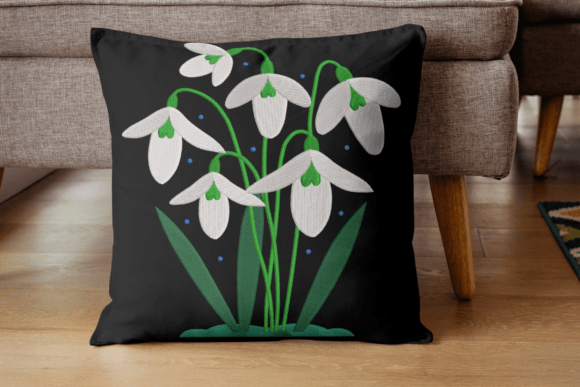
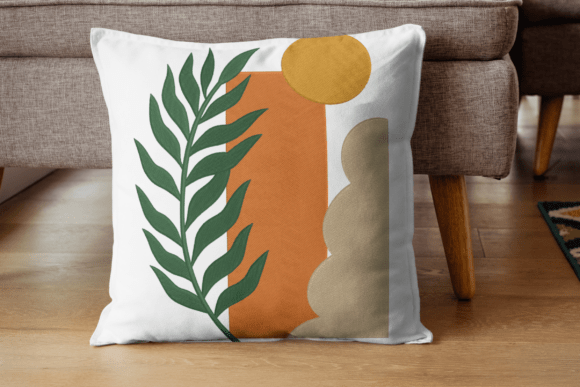
- Pillow covers: Photographed exceptionally well—soft shadows and natural fabric drape enhanced, rather than competed with, the floral silhouette.
What Holds Up—and What Requires Careful Planning
This digital embroidery file doesn’t pretend to be everything. It’s a refined single-flower motif—not a sprawling bouquet or border repeat. That focus is its strength. But that also means thoughtful placement matters:
- Hoop size: Fits comfortably in 4x4 hoops. Larger versions may exist, but the core charm lives in modest scale—ideal for pockets, hems, or monogram companions.
- Stitch density: Moderate. Dense enough for clarity on dark fabric, open enough to avoid stiffness on lightweight cotton or rayon blends.
- Thread colors: Designed to shine with classic rose tones (burgundy, blush, sage), but also translates elegantly into navy/cream or charcoal/ivory palettes—great for brand consistency across custom apparel lines.
- Textured or stretchy fabric: Performs best with appropriate stabilizer. On jersey, I added light fusible + tear-away; on terry cloth, medium cutaway kept stem lines clean.
Commercial Use Considerations for Creative Entrepreneurs
If you sell on Etsy, craft fairs, or your own handmade shop, the Elegant Rose and Flower Embroidery Design supports more than just stitching—it supports storytelling. Customers recognize intentional design. A single rose stitched cleanly on a linen tea towel signals care. A delicate rose on a baby onesie whispers heirloom quality. That perception lifts perceived value, encourages repeat buyers, and strengthens your shop’s visual identity.
For digital product sellers and creative entrepreneurs building design assets, this Creative Fabrica embroidery piece pairs well with minimalist fonts or coordinating single-stem motifs. It’s also ideal for printable mockups—its clean lines render sharply in flat-lay photos, helping customers envision the finished product before purchase.
Practical Notes Before You Stitch
Before committing to a customer order—or uploading to your production queue—here’s what I do every time with a new embroidery file:
- Test on scrap fabric that matches your final substrate—same weight, weave, and stretch.
- Check thread color contrast on both light and dark fabric swatches. Some rose tones fade visually on black; switching to metallic gold or charcoal gray can rescue clarity.
- Review stitch density in your embroidery software. If filling large petals feels too heavy for your fabric, reduce density by 5–8%—this preserves texture without sacrificing coverage.
- Confirm hoop size and adjust placement if needed—especially for curved surfaces like caps or mugs (if used on embroidered sleeves).
- Use proper stabilizer: medium cutaway for knits, tear-away for stable wovens, and water-soluble topping for dense satin areas on napped fabrics.
- Inspect small details post-stitch: petal tips, stem junctions, and inner rose layers should lie flat and defined—not fuzzy or layered unevenly.
- Verify licensing and file details on the Creative Fabrica product page before selling finished items. Since this falls under Single Flowers and Embroidery, confirm commercial use terms apply to your business model.
Final Thought: Quiet Confidence, Not Flash
The Elegant Rose and Flower Embroidery Design won’t shout. It doesn’t need to. Its strength lies in restraint—clean lines, intentional spacing, and stitching that serves the motif, not overwhelms it. For designers who build collections around cohesion, for Etsy sellers curating seasonal handmade gifts, and for small businesses investing in lasting brand aesthetics, this is the kind of machine embroidery design that earns repeat use—not because it’s trendy, but because it’s trustworthy. Whether you’re embroidering a personalized gift, a boutique merchandise line, or a limited-run patch collection, it delivers quiet elegance, project after project.