Geometric Abstract Embroidery Art
A Designer’s First Look: Clean, Confident, and Quietly Bold
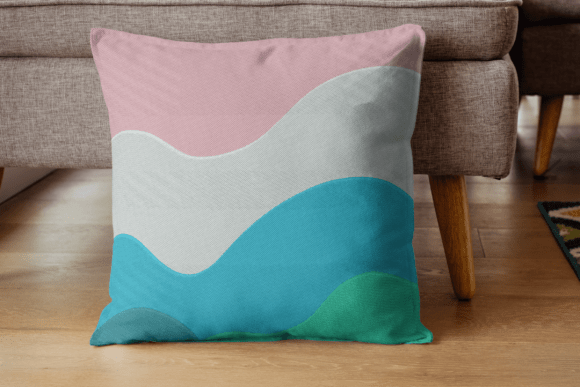
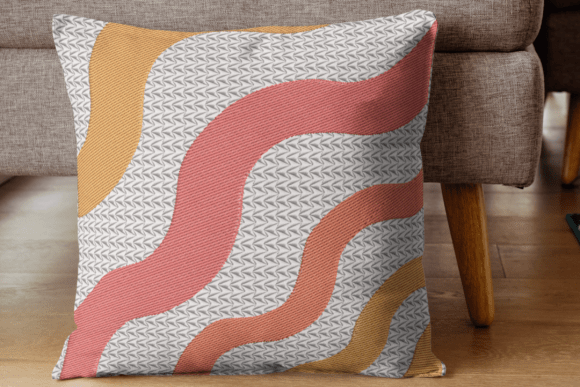
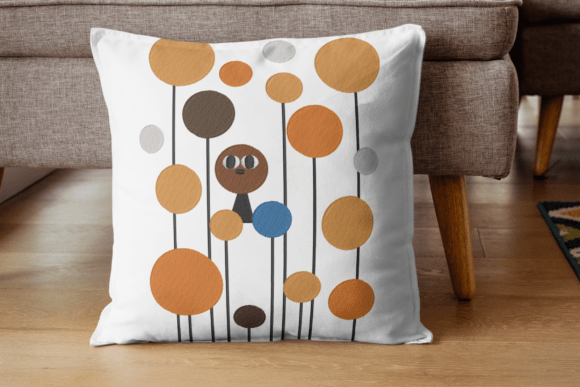
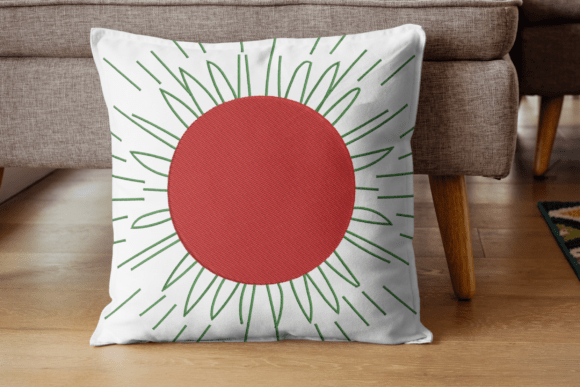
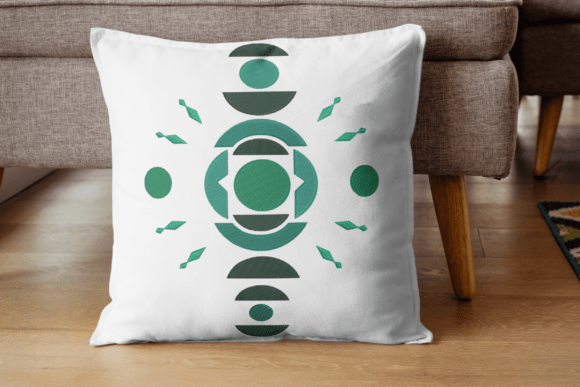
When I opened Geometric Abstract Embroidery Art, my first thought wasn’t “pretty” — it was “purposeful.” The symmetrical arrangement of circles, half-circles, diamonds, and sharp-edged shapes feels intentional, not decorative for decoration’s sake. There’s a quiet rhythm to it — balanced but never static, modern without leaning into cold minimalism. It doesn’t shout. It holds space. That makes it unusually versatile for real-world embroidery projects where subtlety builds trust: think boutique aprons, nursery pillows, or unisex sweatshirts for a small shop that values craftsmanship over clutter.
How It Stitches in the Real World
I tested Geometric Abstract Embroidery Art on three very different items: a medium-weight cotton tote bag, a loopback cotton sweatshirt, and a linen tea towel. On the tote, the design landed with crisp clarity — the satin-stitched edges of the diamonds held shape well, and the half-circles read as intentional curves, not wobbly approximations. On the sweatshirt, I used a medium tear-away stabilizer and saw no puckering; the fill stitch density felt generous but breathable — no stiff, plasticky patches. The tea towel was the real test: lightweight linen can swallow detail, but the clean lines of this design stayed legible, especially when I chose high-contrast thread (navy on natural linen). That’s a strong sign this isn’t just a digital file — it’s a machine embroidery design built for fabric, not just screen previews.
Where It Shines — And Where to Pause
This design naturally elevates products where geometry reads as thoughtful, not trendy: embroidered patches for craft fair badges, pillow covers for modern nurseries, caps for small-batch apparel brands, and even holiday embroidery on neutral-toned kitchen towels. As a personalized gift, it works beautifully when paired with monogrammed initials — the symmetry frames lettering without competing. For Etsy sellers and small shop products, it adds instant cohesion to a collection: imagine it stitched identically on matching baby onesies and organic cotton blankets — same design, different scale, unified brand language.
But be mindful: on highly textured fabrics like bouclé or thick terry cloth, the sharp edges may soften unpredictably. On stretchy knits (think fitted tees), you’ll need cut-away stabilizer and careful hooping — those clean lines rely on stability. And while it scales well up, shrinking it below 3 inches risks losing definition in the smaller shapes, especially the tight corners of the diamonds. If you’re planning custom apparel for curved surfaces like caps, test the layout on a cap mockup first — symmetry can distort subtly at the crown seam.
What It Does for Your Handmade Product — Beyond Aesthetics
Geometric Abstract Embroidery Art quietly raises perceived value. Because it’s structured yet human-scaled — not overly complex, not oversimplified — it signals intentionality to buyers. Customers scrolling an Etsy listing don’t just see a pattern; they sense care in editing, balance, and restraint. That builds customer trust, especially for handmade product shoppers who equate visual precision with quality stitching. It also strengthens brand consistency: whether you’re selling embroidered patches or holiday gifts, this design anchors your aesthetic without locking you into one color story or season. And for digital embroidery file sellers, its adaptability across categories (Shapes, Embroidery, modern home goods) means broader appeal — no need to over-segment your catalog.
Practical Designer Notes Before You Stitch
- Always test first — run Geometric Abstract Embroidery Art on scrap fabric matching your final project’s weight and stretch.
- Check thread color contrast — what reads as crisp on screen may blur on dark fabric. Try black-and-white mockups to verify shape integrity.
- Review stitch density — if your machine flags dense areas, consider simplifying tiny inner shapes or adjusting underlay (if your software allows).
- Confirm hoop size compatibility — symmetry relies on centered placement; ensure your hoop accommodates the full design width without re-hooping.
- Inspect small details — zoom in on the junctions between circles and diamonds. Do they meet cleanly? Are there stray jump stitches?
- Use proper stabilizer — medium-weight tear-away for stable wovens, cut-away for knits, and light iron-on for delicate linens.
- Verify licensing — if you plan to sell finished items or resell the digital embroidery file, confirm commercial use rights are included.
Final Thought: Less Is Anchored Here
This isn’t a design that tries to do everything. Its strength is in what it doesn’t include: no florals, no script, no gradients, no filler motifs. That restraint is its superpower for craft business owners and creative entrepreneurs. Whether you’re embroidering a single custom tote bag or building a cohesive line of nursery decor, Geometric Abstract Embroidery Art gives you structure without stiffness, modernity without coldness, and versatility without vagueness. It’s the kind of embroidery project element that makes customers pause mid-scroll — not because it’s loud, but because it feels *right*. And in handmade work, that quiet rightness is the hardest thing to replicate — and the most valuable thing to offer.