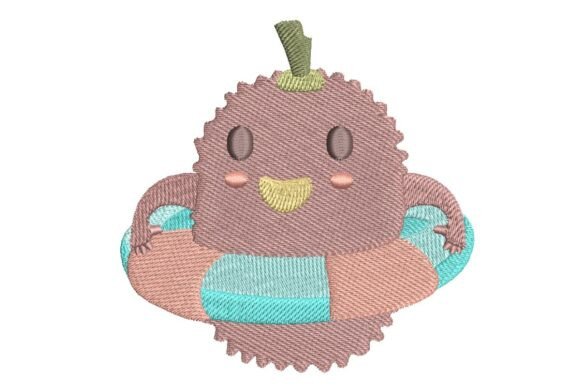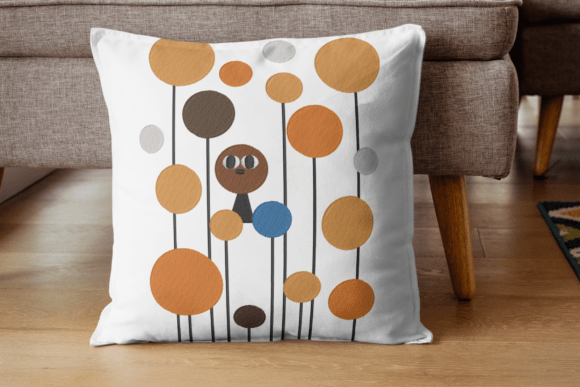
Cute Dots Character Embroidery Art
First Impressions: Playful, Warm, and Surprisingly Versatile
When I opened the Cute Dots Character Embroidery Art file, what struck me wasn’t just the cheerful palette—warm oranges, soft yellows, creamy whites—but how intentionally *light* it feels. This isn’t a dense, heavy shape; it’s a collection of stitched circles arranged with gentle rhythm and breathing room. As a designer who’s stitched hundreds of shapes for real client work, I immediately sensed its strength: it doesn’t shout, but it holds attention. It reads as friendly at 3 inches and still charming at 8 inches—no distortion, no visual fatigue. That balance is rare in the Shapes category, especially for embroidery files meant to scale across products.
A Real Project Test: Custom Tote Bags for a Local Bakery
Last week, I used Cute Dots Character Embroidery Art on a set of organic cotton tote bags for a neighborhood bakery launching seasonal treats. We placed it centered on the front panel—about 4.5 inches wide—on natural canvas. The result? Instant warmth. Customers didn’t just notice it—they smiled, pointed, and asked where the design was from. Why? Because the dots read as handmade, not digital. There’s no over-engineered detail or forced realism—just clean, confident stitch placement that lets the fabric and thread texture shine through. That authenticity matters when you’re building trust for a small shop product or Etsy seller trying to stand out in a sea of generic florals and fonts.
Where It Shines (and Why)
- Custom apparel: Works beautifully on sweatshirt embroidery and baby embroidery—soft curves and open spacing prevent puckering on knit fabrics, especially when paired with light- to mid-weight stabilizer.
- Embroidered patch potential: Its minimal fill stitch density and generous spacing between elements make it ideal for cut-away patches. No risk of fraying edges or bleeding color into adjacent dots.
- Holiday embroidery & personalized gifts: Paired with neutral linen tea towels or minimalist pillow covers, it adds quiet joy—perfect for baby showers, teacher appreciation, or small-batch wedding favors where “cute” shouldn’t mean “cloying.”
- Digital embroidery file utility: As design assets go, this one scales cleanly in mockups. I dropped it into printable mockups for Instagram listings—and it held clarity even in black-and-white previews, which tells me it’ll translate well across branding touchpoints.
Where to Proceed Thoughtfully
This isn’t a “throw-it-on-anything” design—and that’s a good thing. Its charm depends on intentionality. Here’s where I pause before stitching:
- Small hoop sizes (under 4 inches): While scalable, tiny versions lose their character. Below 2.5 inches, the dots start competing for space instead of conversing. Reserve those for accent placements—not primary focal points.
- Textured or stretchy fabric: On terry cloth towels or ribbed knit caps, test first. The open layout means stabilizer choice is critical—medium tear-away works for most, but lightweight cut-away gives cleaner definition on stretchy surfaces.
- Dark fabric backgrounds: Those warm orange tones pop best on cream, oat, or light gray. On navy or charcoal, they soften—so check thread color contrast carefully. A slight shift to burnt sienna or rust can lift it without losing warmth.
- Frequent-wash items (baby clothes, kitchen towels): Fill stitch density is moderate—not too heavy, not too sparse—so durability is solid, but always use quality polyester thread and secure jump stitches. Don’t skip the final trim check.
What It Adds to Your Craft Business—Beyond Aesthetics
Cute Dots Character Embroidery Art quietly elevates perception. When customers see it on a handmade product, they register care—not just craft, but curation. It signals that the maker chose something with personality, not just convenience. For an Etsy seller listing custom embroidered aprons or boutique nursery decor, that nuance builds buyer engagement. It also supports brand consistency: pair it with clean typography and earthy packaging, and you’ve got a cohesive story—not just a stitched shape.
It doesn’t distract from the product—it enhances it. On a linen market bag, it’s a whisper of playfulness. On a baby onesie, it’s tender without being saccharine. And because it avoids cliché (no hearts, no stars, no script), it feels fresh year after year—making it a smart long-term addition to your commercial embroidery library.
Practical Designer Notes Before You Stitch
- Always run a test on scrap fabric matching your final project’s weight and weave—especially for custom apparel or embroidered patch production.
- Review stitch density visually in your editing software. Look for any tight clusters where satin stitch might bleed or running stitch could snag.
- Confirm hoop size compatibility—this design flows best in 5x7 or larger hoops for optimal spacing. If adapting to smaller hoops, prioritize center dot integrity over edge elements.
- Inspect small details: are all dots fully formed? Do jump stitches land cleanly? One stray needle stop can disrupt the whole rhythm.
- Test in both light and dark fabric mockups—not just for visibility, but for emotional tone. Does it feel joyful on black? Calm on ivory?
- Verify licensing terms before selling finished products or bundling the digital embroidery file. Clarity here protects your craft business and reputation.
Final Thought: Charm With Integrity
Cute Dots Character Embroidery Art doesn’t try to be everything. It’s not bold enough for stadium merch, nor intricate enough for heirloom samplers—and it doesn’t need to be. Its value lies in its restraint, its warmth, and its quiet confidence in simplicity. For makers building thoughtful handmade products, personalized gifts, or small shop merchandise, it’s a reliable note of joy—one that stitches cleanly, sells honestly, and stays memorable. That’s not just design. That’s craftsmanship, measured in dots.