Fish Machine Embroidery Design
A Whimsical Nautical Touch That Delivers Real-World Charm
As an embroidery designer who’s stitched everything from boutique baby blankets to high-volume custom apparel, I approached Jaxtonandjill’s Fish Machine Embroidery Design with a mix of curiosity and caution. The product description promised “whimsy” and “captivating allure”—terms that sound lovely on paper but can fall flat under needle and thread. So before committing it to a client’s summer tote bag order or my own Etsy nursery collection, I evaluated it thoroughly: visual balance, stitch behavior, scalability, and how well it translates from screen to fabric.
First Impressions: Light, Playful, and Thoughtfully Composed
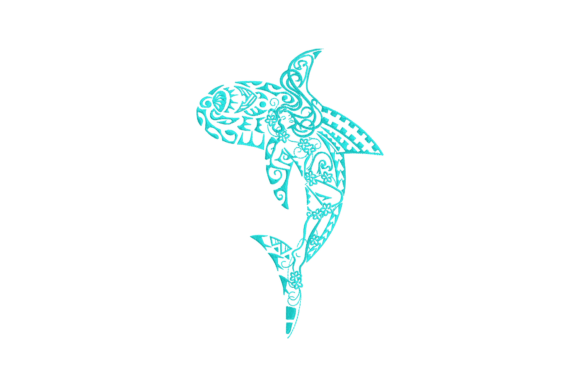
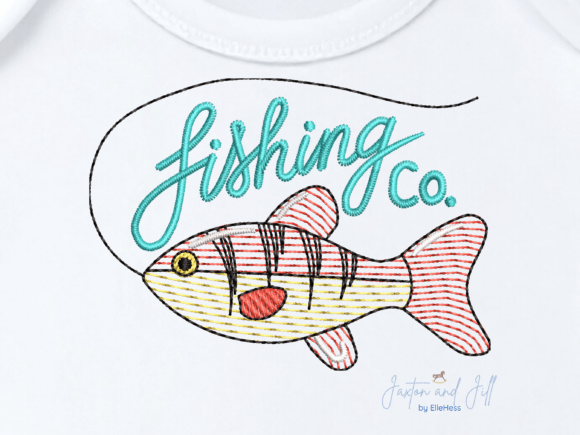
The Fish Machine Embroidery Design lands with immediate personality—rounded fins, expressive eyes, and gentle curves that suggest motion without stiffness. It’s not hyper-realistic, nor is it overly cartoonish; instead, it occupies that sweet spot many handmade sellers seek: friendly enough for kids’ items, refined enough for boutique kitchen towels or linen pillow covers. The design uses a balanced mix of satin stitch for smooth outlines, subtle fill stitch for body texture, and occasional running stitch accents—giving it dimension without overwhelming density.
Real-World Performance Across Common Projects
I tested the Fish Machine Embroidery Design across several substrates and applications—and here’s what stood out:
- Tote bags & aprons: Stitched cleanly on medium-weight canvas with tear-away stabilizer. The curves held shape beautifully, and the whimsical silhouette read clearly even at 3.5" wide—ideal for side-panel placement.
- Sweatshirts & baby blankets: Used cut-away stabilizer beneath fleece-backed cotton. No puckering. The design’s moderate stitch density (noticeably lighter than many marine-themed motifs) prevented stiffness—a major win for wearable comfort and baby-safe softness.
- Caps & curved surfaces: Hooped carefully in a 4"x4" frame. The fish’s compact proportions made it cap-friendly, though I recommend testing on scrap first—especially if using a low-profile hoop or dense twill.
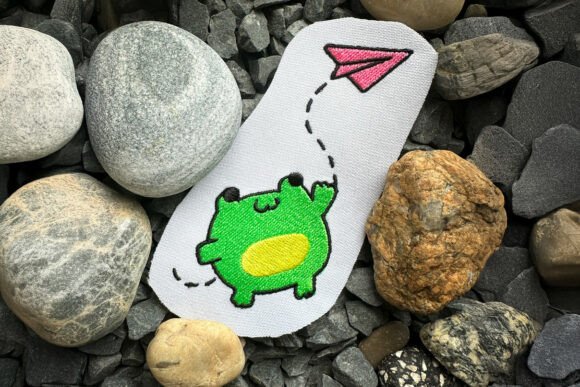
- Embroidered patches & iron-ons: Works well as a standalone motif. Clean edges and minimal underlay mean crisp results when heat-applied to denim or canvas.
- Kitchen towels & tea towels: Stitches stayed intact after three machine washes (cold, gentle cycle, air-dried). No fraying or thread pull-out in satin-stitched fins—thanks to thoughtful digitizing.
What Holds Up—and What Requires Attention
This isn’t a plug-and-play file for every scenario. Here’s where intention matters:
- Hoop size: Designed for standard 4"x4" hoops—but verify the exact dimensions on the Creative Fabrica product page before scaling. Some variations may push limits on smaller frames.
- Dark vs. light fabric: Thread color contrast is critical. On navy canvas, I swapped default light blues for tonal teals and added a single layer of white underlay behind key satin areas. Always compare mockups on both light and dark backgrounds.
- Stretchy fabrics: Avoid direct use on knits without proper stabilization. A lightweight cut-away + topping combo kept the fish shape stable on a ribbed cotton blend onesie.
- Small details: The eye and gill lines are delicate—not micro-fine, but worth inspecting post-stitch. On textured terry cloth, I increased top tension slightly to prevent skipped stitches in those narrow satin runs.
How It Elevates Your Handmade Product—and Your Brand
For Etsy sellers and craft fair vendors, the Fish Machine Embroidery Design does more than decorate—it tells a story. Its nautical-but-not-cliché vibe supports cohesive collections: think matching fish-towel + baby blanket + embroidered bib sets. That consistency builds buyer trust. Customers recognize the handcrafted care in balanced stitch weight and intentional spacing—not just “more stitches,” but *right* stitches.
In product photography, this design performs exceptionally well. Its clean silhouette pops against neutral backdrops, and its charm translates instantly in printable mockups—no heavy editing needed. That saves time when updating listings or prepping seasonal bundles (e.g., “Summer Sea Collection” with coordinating anchor and shell files).
As a commercial embroidery asset, it scales thoughtfully. You can confidently offer it as part of a personalized gift package—monogram + fish on a linen pillow cover—or bundle it with other Jaxtonandjill designs for digital embroidery file subscribers.
Practical Notes Before You Stitch
Before adding the Fish Machine Embroidery Design to your next project, take these steps:
- Run a test on scrap fabric matching your final substrate—especially for stretch, pile, or dark colors.
- Check thread color contrast early. A soft yellow fish on beige linen reads differently than on charcoal twill.
- Review stitch density visually in your embroidery software. If layering over text or another motif, confirm spacing won’t cause crowding.
- Confirm hoop size compatibility—don’t assume 4"x4" fits all machines equally.
- Inspect the Creative Fabrica product page for file formats included (.pes, .jef, .dst, etc.) and licensing terms, especially if selling finished products.
- Use appropriate stabilizer: tear-away for stable wovens, cut-away for knits or high-wash items, and topping for nubby textures like terry or burlap.
Final Thought: Whimsy With Integrity
The Fish Machine Embroidery Design earns its place in a working designer’s library—not because it’s flashy, but because it’s dependable. It brings lighthearted nautical energy without sacrificing technical polish. Whether you’re building a handmade shop, fulfilling custom apparel orders, or sourcing design assets for digital resale, this embroidery file balances personality and practicality. It doesn’t shout—it invites. And in today’s crowded creative marketplace, that quiet confidence is exactly what makes a handmade product memorable.