Bird Line Art – Minimalist Embroidery
First Impression: Quiet Confidence, Not Clutter
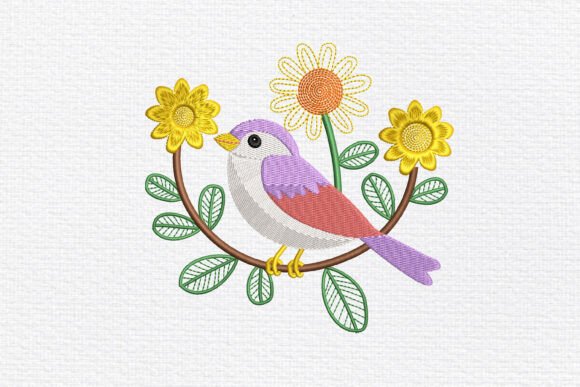
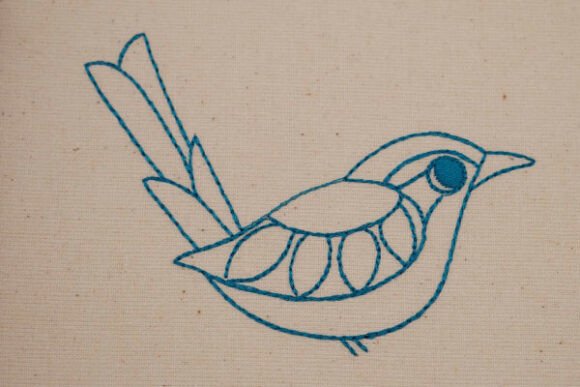
As an embroidery designer who’s curated over 200 craft fair booths and shipped thousands of handmade products, my gut reaction to Bird Line Art – Minimalist Embroidery is immediate: this is a design that breathes. It doesn’t shout—it invites. The title alone signals elegance and restraint. “Minimalist” isn’t just aesthetic shorthand here; it’s a production promise. This isn’t a dense, fill-heavy motif begging for stabilizer and patience. It’s clean, sketch-like, and intentionally uncluttered—exactly what buyers reach for when they want handmade quality without visual noise. In a booth crowded with florals, script quotes, and rustic chickens, Bird Line Art – Minimalist Embroidery stands out by doing less—and doing it well.
Where It Shines: Product-by-Product Realities
This design thrives where subtlety sells: on premium small-shop products that feel intentional, not incidental.
- Tote bags & market bags: Perfect as a single chest-pocket accent or centered low on the front panel. Its line art nature reads clearly from 6 feet away—even in natural light—and avoids looking “busy” on canvas or linen blends.
- Aprons & tea towel embroidery: A natural fit. On a crisp white or oatmeal apron, it adds quiet sophistication—not kitsch. On a textured tea towel, keep stitch density light and use a medium-weight cutaway stabilizer to prevent puckering while preserving the sketch’s fluidity.
- Embroidered patches & fabric pouches: Ideal scale. At 2.5–3.5 inches wide, Bird Line Art – Minimalist Embroidery fills a patch beautifully without crowding edges. It translates cleanly to iron-on or sew-on backing, making it versatile for Etsy sellers bundling patches with care instructions.
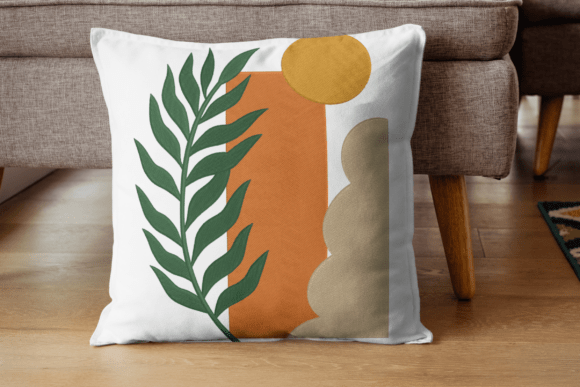
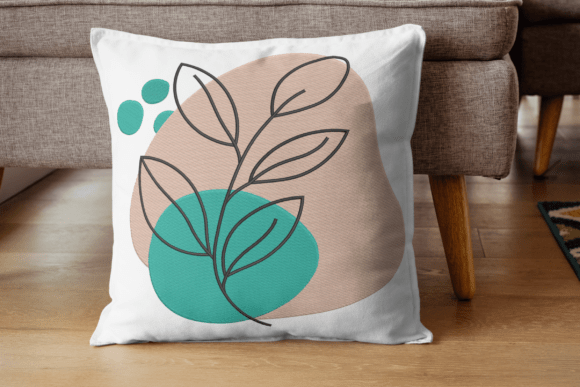
- Pillow covers & caps: Use caution on curved surfaces like caps—test hoop placement first. On flat pillow fronts (especially linen or cotton duck), it anchors the design with calm authority. Avoid placing it near seam allowances where distortion could thin the lines.
- Handmade gifts & booth samples: This design elevates perceived value instantly. A set of three embroidered napkins with varying bird orientations feels curated—not mass-produced. Pair it with neutral thread colors (heather gray, soft black, oat) to reinforce its premium, tactile appeal.
What Makes It Sell—And What Makes It Stall
Bird Line Art – Minimalist Embroidery works because it’s instantly legible, scalable, and emotionally resonant. Customers don’t need to “get” it—they feel it: calm, refined, quietly confident. That mood transfers directly to your brand voice.
It photographs exceptionally well for Etsy listings and printable mockups—no heavy shadows needed, no retouching required. Clean lines hold up in natural light and studio shots alike. And yes, it’s repeatable: batch-produce 20 tote bags with consistent spacing and tension, and each feels individually considered—not stamped out.
But don’t assume it’s foolproof. Here’s where attention matters:
- Avoid ultra-dense fabrics: Thick denim or heavily brushed terry can swallow fine line work. Stick to medium-weight cotton, linen, canvas, or twill for best clarity.
- Dark fabric? Double-check thread contrast: A charcoal thread on navy may vanish. Opt for off-white, cream, or heather gray for visibility without sacrificing minimalism.
- Small sizes demand testing: Below 1.75 inches, delicate wingtips or beak points risk stitching into ambiguity. Always run a test on scrap at your intended size before cutting production fabric.
- No tiny lettering or interior fills: That’s a win. This design avoids common pitfalls—no micro-details that snag threads or require specialty needles. What you see is what stitches cleanly.
Booth Impact & Buyer Engagement
In person, Bird Line Art – Minimalist Embroidery draws the thoughtful browser—the customer who lingers, touches fabric, compares textures. It doesn’t compete with neon signage or glitter; it rewards attention. Place one embroidered tea towel folded beside a matching linen pouch and a small ceramic mug, and you’ve built a micro-collection that whispers “curated,” not “craft supply surplus.”
It strengthens booth display cohesion too. Use the same thread color across multiple product types (e.g., soft black on aprons, totes, and pillow covers), and your table reads as a unified collection—not a grab-bag of designs. That consistency builds trust, especially for Etsy sellers translating online branding into physical presence.
Designer Notes You Can’t Skip
Before you load that first hoop, do these six things:
- Test on scrap fabric—same weight and weave as your final product. Watch how the line weight holds up after washing and pressing.
- Check thread contrast under both daylight and warm booth lighting. What reads well in your studio may fade in a tent at noon.
- Review spacing and margins in your embroidery software. Does the bird sit comfortably within standard hoop sizes? Is there breathing room around curves?
- Confirm stabilizer match: Light cutaway for stable wovens; tear-away for smooth linens; avoid heavy fusibles that mute the sketch-like texture.
- Create at least one real mockup—not digital. Stitch it, press it, hang it, photograph it. See how it moves with the fabric.
- Verify commercial licensing before selling finished products. As a digital embroidery file, Bird Line Art – Minimalist Embroidery must be cleared for resale—not just personal use—if you’re offering embroidered totes or patches as a small shop product.
Final Thought: Less Is the Right Amount
Bird Line Art – Minimalist Embroidery isn’t just another machine embroidery design—it’s a strategic asset for makers who understand that handmade value lives in intention, not volume. It fits seamlessly into modern cottagecore, slow-living, and elevated basics markets. It supports storytelling without words. And most importantly, it stitches quickly, photographs beautifully, and sells steadily—because customers don’t buy birds. They buy the feeling of lightness, focus, and quiet beauty that this design delivers, every single time.