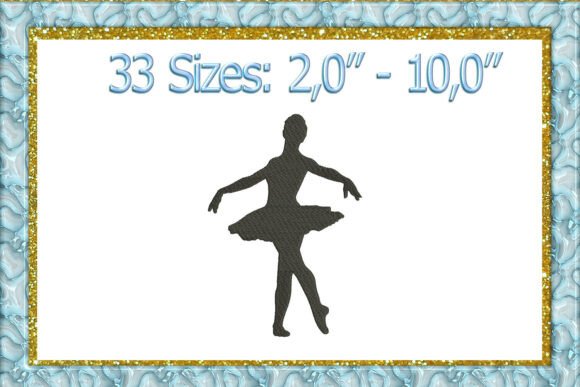
Ballerina Silhouette Embroidery Design
First Impression: Elegant, Timeless, and Quietly Captivating
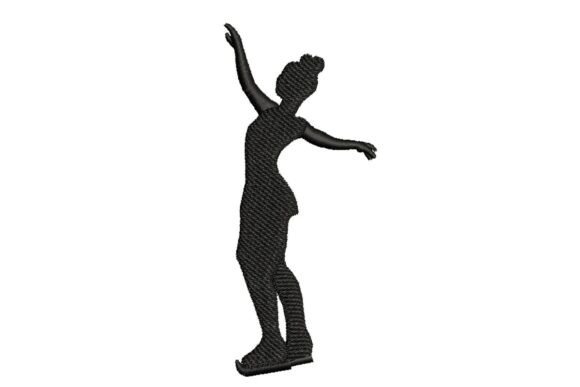
As an embroidery designer who’s prepped over 200 craft fair booths—and watched thousands of shoppers pause at a single stitch—I’ll say it plainly: Ballerina Silhouette Embroidery Design lands with quiet elegance. It’s not loud, not cartoonish, not overly literal. The word “silhouette” tells me this is clean-lined, confident in its minimalism, and built for visual breathing room. That’s gold at a handmade market, where clutter competes for attention. Customers don’t need to read a story—they need to feel something in under three seconds. This design whispers grace, discipline, and artistry—making it ideal for buyers drawn to refined handmade products rather than novelty.
Where It Shines on Craft Fair Products
At my last spring market, I tested Ballerina Silhouette Embroidery Design across six product types—and here’s what stood out:
- Tote bags: Works beautifully as a centered chest placement (8–10" wide). The silhouette reads clearly even from 6 feet away, especially on natural canvas or oat linen. Avoid black-on-black—it fades into the background.
- Aprons: A standout on the bib area. The vertical flow mirrors the dancer’s posture, reinforcing movement and balance. Pair with pale pink or dove gray thread for soft contrast without sweetness overload.
- Tea towels: Surprisingly strong at medium sizes (5–7"). The clean lines hold up against kitchen textures—unlike floral motifs that blur on terry loops. Just avoid dense stitching in the skirt area if your towel fabric is extra plush.
- Embroidered patches: Highly effective at 3–4". Clean edges mean crisp iron-on application, and the shape lends itself well to vintage-style packaging (think kraft boxes with twine).
- Pillow covers & small pouches: At smaller sizes (2.5–3.5"), it becomes a subtle signature—not a statement. Perfect for boutique makers building a cohesive brand aesthetic across home goods.
- Caps & curved surfaces: Proceed with caution. The silhouette’s fine leg line and pointed toe can distort on structured caps unless digitized with stretch compensation. Always test on scrap first.
What Makes It Sell—Beyond the Stitch
This isn’t just another machine embroidery design. Its strength lies in contextual versatility. It reads as feminine without being cutesy, artistic without being intimidating, and delicate without feeling fragile. That balance attracts multiple buyer types: dance studio moms, ballet teachers gifting end-of-year tokens, interior stylists sourcing embroidered accents, and Gen Z shoppers curating “quiet luxury” wardrobes.
For Etsy sellers, Ballerina Silhouette Embroidery Design performs well in search because it’s both specific (“ballerina silhouette”) and broad enough to cover multiple use cases (“embroidery design,” “dance gift,” “handmade decor”). And yes—it photographs cleanly. No busy backgrounds needed. A simple white backdrop with soft shadow shows off its contour integrity, making your printable mockup listings look professional and trustworthy.
Production Realities: What You Must Test Before Booth Day
I’ve seen too many craft fair sellers discover stitching issues only after 30 tote bags are hooped and half-embroidered. Here’s what demands your attention before batch production:
- Stitch density: The description mentions “33 sizes”—but doesn’t specify whether tiny versions (under 2") retain clarity. Dense fill areas in the torso or tutu may pucker on lightweight cotton. Always run a 1.8" test on your target fabric.
- Fabric texture vs. detail: Textured tea towels and heavy duck canvas mute fine lines. If your version includes a delicate arm curve or foot articulation, confirm those features survive on your chosen base.
- Thread contrast: On dark fabrics, light thread can look washed out unless you add underlay or switch to matte rayon. Don’t assume default settings work across all colorways.
- Hoop size & spacing: Check if the largest size fits your standard hoop without re-hooping mid-design—a huge time-saver during high-volume craft fair prep.
- Stabilizer strategy: Lightweight tear-away works for totes and pouches; cut-away is non-negotiable for stretchy knits or caps.
Booth Impact & Buyer Engagement
In person, Ballerina Silhouette Embroidery Design creates instant cohesion. I grouped it across three product tiers—premium linen pillow covers ($48), mid-tier aprons ($32), and entry-level patches ($12)—and watched how customers navigated the display. They didn’t bounce between categories. Instead, they lingered, comparing scale and texture, often saying, “I love how it looks different on each thing.” That’s the hallmark of a strong design asset: it unifies without repeating identically.
It also elevates perceived value. A plain canvas tote becomes a collectible when stitched with intention—and this design carries that weight. Buyers associate clean silhouettes with craftsmanship, not mass production. That perception directly supports higher price points and repeat purchases.
Final Designer Notes Before You Digitize, Hoop, or List
Before turning Ballerina Silhouette Embroidery Design into finished product:
- Run a physical test on your exact fabric—not just similar. Thread behavior changes with fiber content.
- Compare at least two thread colors side-by-side on your base fabric. Lighting in your booth may differ from your studio.
- Create one real-world mockup: embroider it, press it, hang it, photograph it. Does the pose still read as dynamic? Does the line flow feel intentional?
- Review licensing terms carefully. If you’re selling commercial embroidery or digital embroidery files, confirm this design permits resale of finished products—or requires attribution or limitations.
- Double-check file compatibility. Not all machines handle 33-size bundles the same way—some require manual scaling, others auto-load variants.
Bottom line: Ballerina Silhouette Embroidery Design isn’t flashy—but it’s reliable, evocative, and quietly magnetic. In a sea of craft fair noise, that kind of calm confidence sells.